





Kathmandu, October 28 – Season 2 of Himalaya Television’s popular reality business show ‘Shark Tank Nepal’ is set to premiere shortly after the Dashain festival.
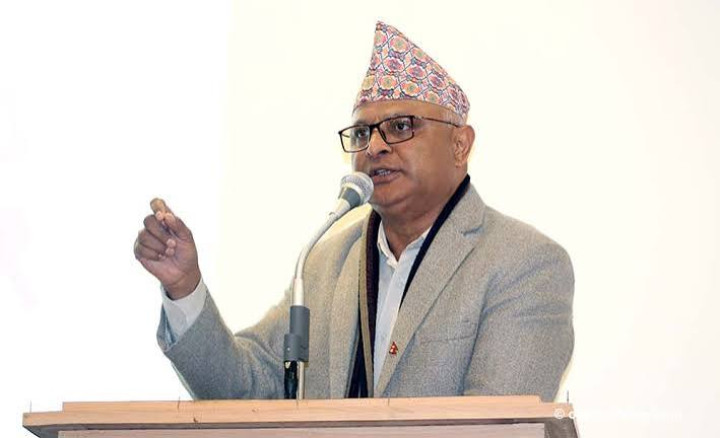
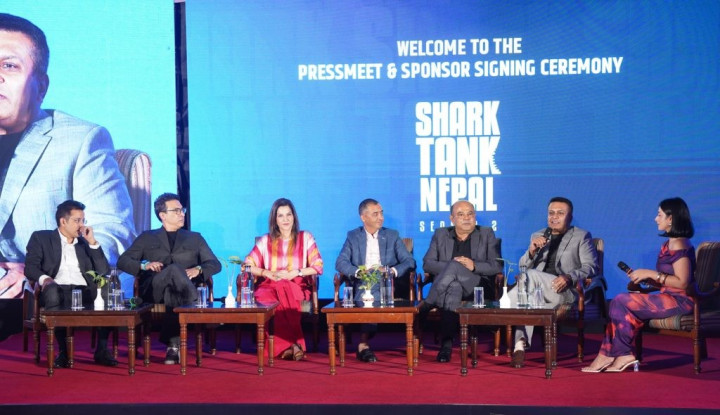
At a press conference held at Hotel Everest in Kathmandu on Monday to formally announce the second season, Himalaya Television Chairman and Managing Director Dharmaraj Bhusal said Season 2 has become bigger and more refined than the first season.
“Compared to Season 1, the scale of business has increased by around 60 to 65 percent,” Bhusal said. He added that the second season reflects greater maturity among everyone involved, particularly in storytelling and business evaluation.
According to Bhusal, around 60 to 65 pitchers will appear in Season 2. The show will air two episodes every week at 8 PM on Himalaya Television, with the season expected to conclude within approximately two and a half months.
Preparations for Season 3 will begin as soon as Season 2 starts airing, he added.
Himalaya Television Executive Director Shyam Kandel recalled the experience of deciding four years ago to bring the Shark Tank format to Nepal. He said the show now has millions of viewers both inside and outside Nepal.
According to Kandel, business deals worth around Rs 600 million have been secured in Season 2, making the new season significantly larger in scale.
During the event, Himalaya Television also signed sponsorship agreements with various companies associated with Season 2.
The sharks from Season 1 have returned for the second season. They include Anand Bagaria, Managing Director of Nimbus Group; Cabinet Shrestha, Co-founder and Chairman of Agni Group; Saurabh Jyoti, investor at Padma Jyoti Group and Chairman of Syakar Trading Company; Ritu Singh Vaidya, Managing Director of Vaidya’s Organization of Industries and Trading Houses; and Hemraj Dhakal, Co-founder and Managing Director of IME Group.
The sharks also shared their experiences from Season 1 and discussed various aspects of the upcoming season.
Bagaria said the sharks were somewhat nervous during the first season because they were unfamiliar with the process of evaluating business proposals. After completing Season 2, however, he described the show as a beginning of an “economic revolution.”
Shrestha said he was excited about the platform created by the show in Nepal. He recalled being surprised by the business model presented by a 17-year-old who had no money to invest in Season 2.
Jyoti said Himalaya Television took a significant risk by bringing the show to Nepal during its first season. He said the results are now visible in Season 2 and that the program has contributed to the broader economy by encouraging people to believe in their ideas and consider starting businesses.
Vaidya said the show has provided a valuable platform connecting entrepreneurship with the economy. She said evaluating new business models and concepts had been a new experience and that the program had encouraged many people to start new businesses.
Dhakal also recalled feeling nervous while making investment decisions during Season 1. He said the first season succeeded in giving aspiring entrepreneurs hope, confidence and ideas, while Season 2 has become even more refined.
According to Dhakal, Shark Tank Nepal has emerged as an important source of inspiration and encouragement for startups and aspiring entrepreneurs.