




WASHINGTON — The United States has called on Iran to make a “meaningful” reduction in its uranium enrichment capacity as part of any agreement aimed at ending the ongoing war, signaling possible flexibility in Washington’s previous position on Iran’s nuclear programme.
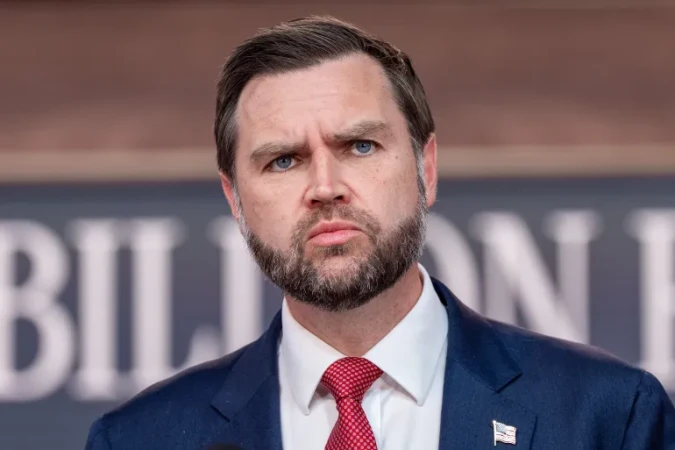
US Vice President JD Vance said Iran must demonstrate that it does not intend to develop a nuclear weapon by making significant changes to its enrichment programme.
“If you don’t want a nuclear weapon, then why do you need 60 percent enriched fuel?” Vance said in an interview with Reuters.
He said reducing enrichment would be a basic threshold for demonstrating Iran’s commitment not to build a nuclear weapon.
US maintains hardline position on nuclear weapons
Vance’s comments come alongside tougher statements from other senior US officials.
Secretary of State Marco Rubio has reiterated that Iran cannot be allowed to obtain a nuclear weapon. President Donald Trump has also warned that the conflict will end either through negotiations or by what he described as “the nice way or the not-so-nice way.”
Iran has enriched uranium to 60 percent, according to the International Atomic Energy Agency (IAEA). Uranium enriched to around 90 percent is generally considered weapons-grade.
The issue of enrichment remains one of the central disputes between Washington and Tehran.
Iran questions US commitment to negotiations
Iranian President Masoud Pezeshkian has questioned whether Washington genuinely wants negotiations, arguing that previous talks have been followed by military action.
Pezeshkian said negotiations with the United States had become “futile” and accused Washington of using talks while pursuing pressure against the Iranian government.
However, Iranian Foreign Minister Abbas Araghchi has indicated that negotiations could still provide a path toward ending the conflict, saying that only talks based on justice and fairness could lead to a settlement.
Sanctions and Strait of Hormuz remain key issues
Experts say the nuclear programme is only one part of the dispute.
Iran is also seeking relief from US sanctions, the release of frozen Iranian assets, an end to the naval blockade and an end to fighting across the region.
The Strait of Hormuz, a major global energy shipping route, is another critical issue in the negotiations.
Iran has previously linked the reopening of the waterway to broader negotiations and a settlement.
Possible comparison with the 2015 nuclear deal
Any agreement that allows Iran to retain limited uranium enrichment could revive comparisons with the 2015 Joint Comprehensive Plan of Action (JCPOA).
The agreement placed restrictions on Iran’s nuclear programme in exchange for sanctions relief. Trump withdrew the United States from the agreement in 2018.
Analysts say a new agreement would likely need to address not only Iran’s enrichment activities but also sanctions, economic restrictions, frozen assets and regional security issues.
Deal remains uncertain
While Vance’s comments could indicate some flexibility over whether Iran must completely abandon uranium enrichment, Washington continues to insist that Iran must not acquire a nuclear weapon.
Tehran, meanwhile, wants broader guarantees and relief from sanctions and other economic and military pressure.
With major differences still unresolved, the possibility and terms of a US-Iran agreement remain uncertain